Design the product
Turn the validated problem into the flows and screens a customer needs to get one job done.
Blueprint altitude
Months 6 to 36, typically. About 1 in 5 new businesses close in their first year.
Months 6 to 36, typically. About 1 in 5 new businesses close in their first year.
Build covers two phases. Build is the first release, the first customers and the first hires, run on the S.T.A.R.T.U.P. Initiative and A.N.D.R.O.I.D. Ops. Launch makes sales repeatable and finds product-market fit, run on the L.A.U.N.C.H. Sequence.
Build starts from a problem you have tested. From the blueprint altitude, the team draws what a first release must do, cuts the scope to that, and builds it in reviewed cycles. A dedicated team does the work, and WE steers it. The aim is a first product that a real customer can use, plus the paper trail that explains it: the scope, the decisions and the open items.
You keep a security baseline and a first release, a customer evidence index and a financial model. The first year is the steepest on the clock, so the year-one Orbit Review sits right where the data shows most companies close.
Months 6 to 18
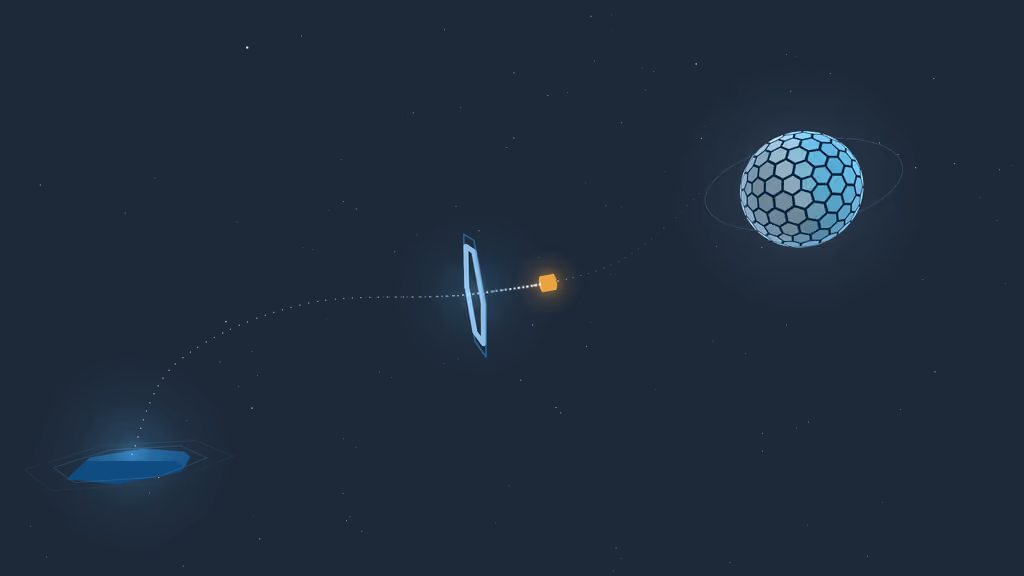
A Star on its Track
The first release and the first customers, through the steepest year.
S.T.A.R.T.U.P. Initiative
A.N.D.R.O.I.D. Ops
Checkpoint Year-one Orbit Review
Months 18 to 36
Lift-off: the Star becomes a Super Star
Repeatable sales and product-market fit.
L.A.U.N.C.H. Sequence
Checkpoint Year-three Orbit Review

77.9% 1
of new U.S. businesses were still operating after one year (opened in the year to March 2024)
These figures describe all new U.S. businesses, not WE's results.
A first release real customers use, built on a written security baseline.

Every customer conversation and result, indexed so anyone can check it.

The numbers the plan rests on, with their sources.
Turn the validated problem into the flows and screens a customer needs to get one job done.
Apply a cut line to the scope so the first release contains what the evidence supports and nothing more.
Make the decisions the first release requires and write down the ones that can wait.
The dedicated team works in cycles. Each ends with something you can open, and a review with you.
Fill in a security and accessibility checklist early, so gaps are known while they are cheap to close.
Each of these is open to read today. They are the working tools of this stage.
WE judges a stage by what you can inspect, not by how much time has passed. Before moving on, check that these exist and that you have read them.

Design, build and release the product.

Cadence, goals, metrics and the weekly rhythm.
The long game
Build runs through the years when the odds are hardest. Ship every week, and keep the plan patient.
Every week
 1 Plan The week’s cycle is set in writing.
 2 Build A dedicated team ships the work. 3 Report A written status, every week.
 4 Decide You say yes or no to the next cycle.
Every year
Most new businesses close in the first five years. After that, each year survived makes the next more likely. WE paces the work to that curve.
Public funding
The Small Business Innovation Research and Small Business Technology Transfer programs fund small businesses to do research and development. If your company is building something technical, apply, and keep applying.
WE helps founders prepare alongside. WE is not an agency and cannot promise an award.
Start a readiness review. WE arranges a conversation, then sends a one-page read of where the company sits on the business clock and what Build would need.